New Hampshire electrical guides · published 14 November 2026
Generator transfer switch or interlock kit: how to connect a generator to your New Hampshire home
A generator can only power a house safely through transfer equipment that stops it from sending electricity back onto the utility lines. There are three common ways to do it. An automatic transfer switch pairs with a whole home standby generator and switches over on its own. A manual transfer switch or a panel interlock kit pairs with a portable generator, and you switch over by hand. The right one depends on your generator, who is home during an outage, what has to keep running, and your electrical panel.
Published 14 November 2026
Get the connection right before the first storm
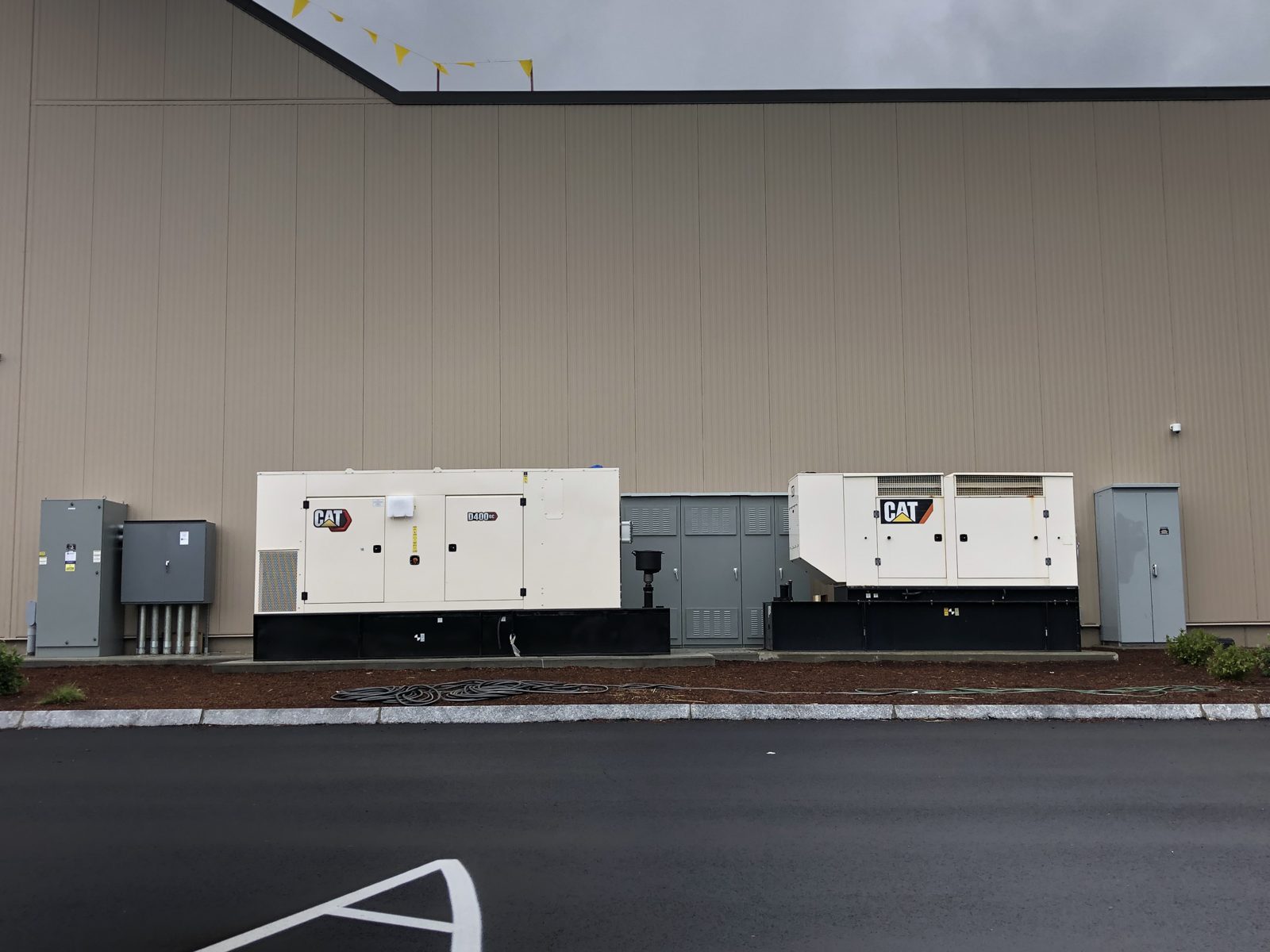
We have been the electricians on Currier Road in Hopkinton since 2004, and every New Hampshire winter brings the same lesson: the generator is only half the job. The other half is how it connects to your house. Get that part right before the first nor'easter and an outage becomes an inconvenience instead of a scramble in the dark with extension cords.
Why the connection matters
Without transfer equipment, a generator tied into house wiring can push power back through the meter and onto the utility lines. That endangers the line crews working to restore power, and it can damage the generator and your wiring when utility power comes back. Plugging a generator into a dryer outlet with a double ended cord does exactly this. It is unsafe and it does not meet code.
The National Electrical Code, which New Hampshire adopts through its State Building Code, requires transfer equipment that keeps the generator and the utility from feeding your house wiring at the same time. All three options below meet that requirement. They differ in how the switch happens and who manages the load.
Three ways to connect a generator
Automatic transfer switch
An automatic transfer switch works with a whole home standby generator. When it senses utility power is gone, it starts the generator and moves the house over within seconds, then moves it back when utility power returns. Nobody has to be home.
It can carry the whole house or a managed group of essential circuits. It is the practical choice for a house on a well, a basement that depends on a sump pump, or a property that sits empty for days at a time.
Manual transfer switch
A manual transfer switch is a small panel mounted next to your main panel. It holds a set of circuits chosen at installation. The generator plugs into an outdoor inlet, and during an outage you start the generator, plug it in, and flip each circuit over to generator power.
Manual switches are common with portable generators. The tradeoff is that only the circuits wired into the switch can run on generator power, so the list has to be decided up front.
Panel interlock kit
An interlock kit is a mechanical plate installed on the main panel. It physically prevents the main breaker and a dedicated generator breaker from being on at the same time. The generator connects through an outdoor inlet box wired to that breaker.
An interlock lets you run any circuit in the panel, as long as the total stays within what the generator can carry. You manage the load yourself by turning breakers on and off. The kit has to be made for your exact panel, and some older panels have no compatible kit. Fuse boxes cannot take one.
Transfer switch vs interlock, side by side
| Option | Generator type | How it switches | Who manages the load |
|---|---|---|---|
| Automatic transfer switch | Standby | Automatically, in seconds | The switch, or a load manager |
| Manual transfer switch | Portable | By hand, circuit by circuit | You, within the circuits wired in |
| Panel interlock kit | Portable | By hand, at the main panel | You, breaker by breaker |
How to choose
- Your generator. Standby generators pair with an automatic transfer switch. Portable generators pair with a manual transfer switch or an interlock.
- Who is home during an outage. If the house may be empty, or nobody should be heading out to a generator in a storm, automatic transfer is the answer.
- What has to stay on. Start with a load list: well pump, heating system, refrigerator, freezer, sump pump, lights, and anything else you cannot go without.
- Your panel. A full, undersized or older panel may need service or panel work before any generator connection goes in.
- The permit. Permits are issued by your town. The Town of Hopkinton lists “Expansion or changes to electrical, plumbing, mechanical or fire protection systems” among the work that needs one. Our NH electrical permits guide lists the office for each town we serve, and our NH electrical code guide covers which code edition applies.
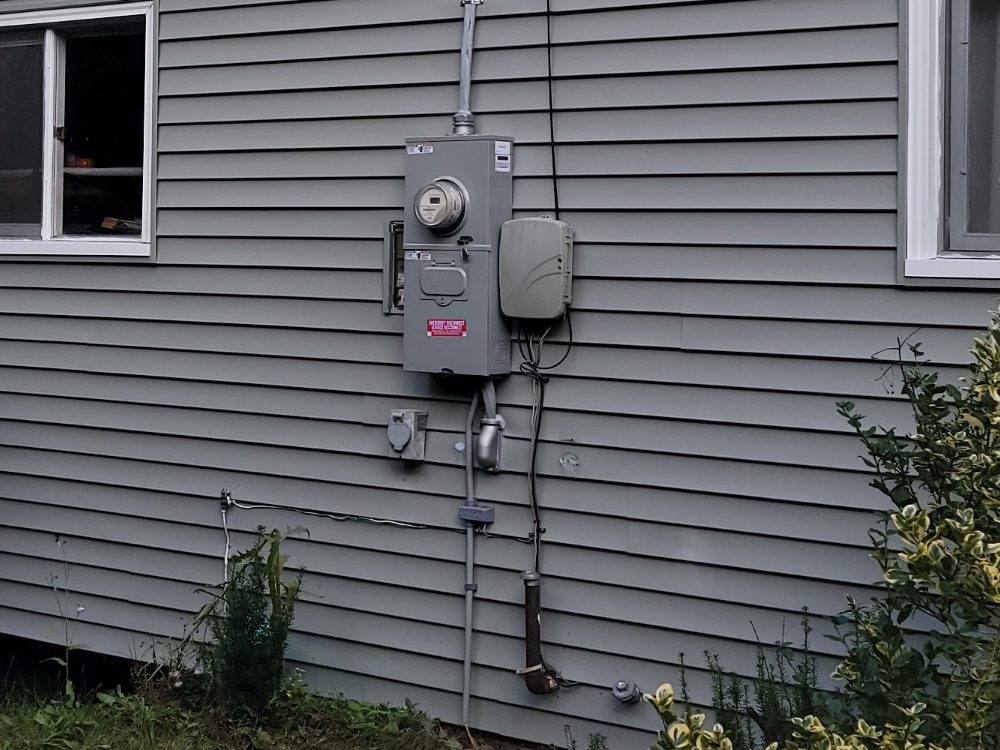
Generator connections in central New Hampshire
Irish Electric is based at 659 Currier Road in Hopkinton and works within about 45 minutes of the shop, including Hopkinton, Concord, Bow, Henniker, Warner, Weare, Dunbarton and Hillsborough. We sell, install and service Generac and Kohler generators, including portable units, whole home standby generators and automatic transfer switches. See generator installation and service for details.
The best time to set up a generator connection is before the first winter storm. If you already own a portable generator, the connection is often the only piece missing.
Sources, checked 14 November 2026: Town of Hopkinton, “When do I need to obtain a permit?”, https://www.hopkinton-nh.gov/planning-development-building/faq/when-do-i-need-obtain-permit. New Hampshire Division of Fire Safety / Office of the State Fire Marshal, “State Building Code”, https://www.firemarshal.dos.nh.gov/laws-rules-regulatory/state-building-code.
FAQ
Generator connection questions
Can I plug my generator into a dryer outlet?
No. A double ended cord into a dryer or other outlet can send power back onto the utility lines, which endangers line workers and can damage your home's wiring. Use a transfer switch or interlock with an outdoor inlet.
Is a generator interlock kit allowed in New Hampshire?
An interlock is a recognized way to connect a portable generator when the kit is made for your panel and the work is permitted and inspected. Your town's inspector has the final say, so check with your local office through our permits guide.
Do I need a permit to connect a generator?
In most New Hampshire towns, yes. Changing or extending an electrical system generally requires a permit from the town.
What does it cost to connect a generator?
It depends on the generator, the panel, the distance to the outdoor inlet or fuel source, and how many circuits you want covered. Every install is different, so we quote each one after a free estimate.
Which is better, a transfer switch or an interlock kit?
Neither is better for every home. An automatic transfer switch is the hands free choice for a standby generator. With a portable generator, a manual transfer switch limits you to the circuits chosen at installation, while an interlock lets you pick any circuit at the panel but leaves load management to you.
Get a free estimate
Call (603) 224-7474 or send us a message. Tell us what generator you have or are considering and what you need to keep running, and we will look at your panel and recommend the connection that fits. For electrical emergencies, we keep a 24 hour on-call line.
Irish Electric, 659 Currier Road, Hopkinton, NH 03229 · (603) 224-7474